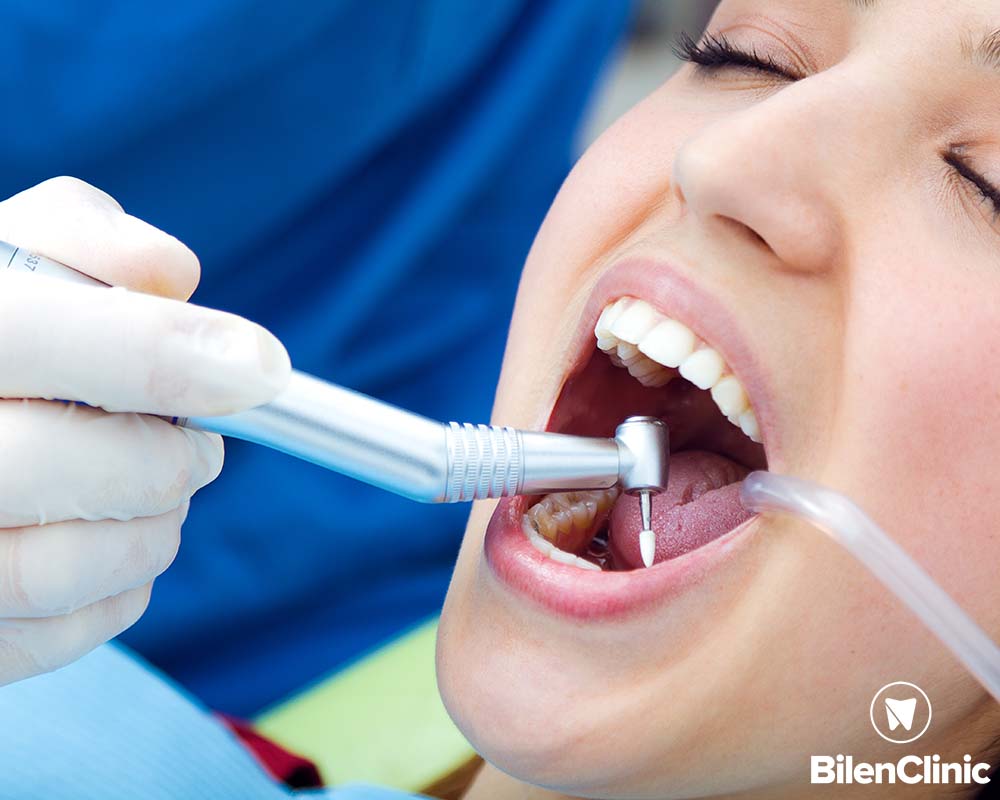
Root canal treatment, also known as endodontic treatment, refers to removing the damaged or infected pulp (pulp) of a tooth, disinfecting the tooth and then closing it with a filling. The pulp, located in the innermost part of the tooth, can be thought of as a soft core. In the pulp extending to the root tip of the teeth; nerves, blood vessels, and connective tissue. In cases where the tooth is cracked as a result of any impact or a deep decay occurs, bacteria enter the pulp and begin to multiply there. If this condition is left untreated, bacteria can cause a serious infection or tooth abscess, leading to bone or tooth loss with pulp death. In such a case, a root canal treatment is applied to the cracked or decayed tooth, and the tooth is saved.
In Which Situations Should Root Canal Treatment Be Applied?
At the beginning of the conditions that require root canal treatment are deep caries and cracks in the dental bone. In cases where the tooth is damaged too much to heal, the pulp part is removed to protect the tooth. Therefore, the biggest advantage of root canal treatment is to save the dead tooth and not to lose the bone structure of the tooth. Some symptoms of conditions that require root canal treatment can be listed as follows:
Swelling in the face and neck Permanent tooth sensitivity, especially to hot or cold Pain when chewing or biting Pimple-like scar formation on the gums cracked teeth swelling of the gums Reflected toothache deep bruises darkened gums
How make is root treatment?
Root canal treatment; It has four main purposes: eliminating caries and infection, shaping the tooth canals, filling the canals and making the tooth functional again. Depending on the condition of the tooth, the treatment may take one or two sessions. Although the procedure followed in the root canal treatment process varies depending on the tooth damage, it generally includes the following steps:
The dentist takes an X-ray to see the root structure of the tooth and determine if there is any sign of infection. Thus, the damage to the tooth is evaluated and it is decided whether a root canal treatment is needed. If the dental pulp is very damaged, root canal treatment is started. If there is severe pain due to abscess formation in the tooth, local anesthesia is applied before the treatment. The first step of root canal treatment is the careful removal of the pulp inside the tooth. After the pulp is removed, the dentist determines how long the procedure in the root canal will take. Root canals are reshaped and cleaned using appropriately sized apparatus. A session of root canal treatment takes approximately 45 minutes. After performing the necessary procedures, the tooth is x-rayed at least twice. If the dentist thinks that the treatment is successful, he fills the canal with a permanent material after the disinfection process so that the canals are not affected by contamination. Dentists can wait 4-5 days for the tooth to heal before applying permanent filling. In this case, the tooth cavity is closed with a temporary filling. In the next session, the temporary filling of the tooth is removed with a painless procedure and permanent filling is performed. Permanent filling process; dental paste and a rubber-based substance called gutta percha. Calcium hydroxide based pastes prevent any external leakage into the root canal.
How make is root treatment?
During root canal treatment, dental nerves are removed along with the inflamed tissue. Therefore, there is no question of the tooth being affected by external stimuli. However, especially in cases where pain or infection is observed before the procedure, sensitivity may be felt in the tooth due to tissue inflammation after the treatment. This condition is usually relieved with painkillers prescribed by the doctor. Care should be taken not to eat anything for at least three hours after the treatment. The success rate of root canal treatment is very high. A treated tooth can be used for a lifetime with regular care. Consumption of sugary foods known to cause tooth decay should be minimized. Teeth cleaning should be done twice a day with a soft-bristled toothbrush and once with dental floss. Care should be taken to have a general dental examination at least twice a year.